
Endometriosis and Pelvic Health: Gentle Stretches and Movement Ideas
Pelvic floor physical therapy can be a helpful tool for managing symptoms of endometriosis and adenomyosis. Working with a pelvic floor physical therapist can help you develop an individualized treatment plan based on your specific needs.
This resource provides a few simple stretches and movement ideas that may help you manage symptoms, reduce muscle tension, and support overall pelvic health. These movements are gentle and generally accessible, but they are not a substitute for care from a qualified pelvic floor physical therapist or other healthcare provider.
Why pelvic health matters with endometriosis
Many people with endometriosis also experience pelvic floor muscle dysfunction. Chronic pelvic pain, painful periods, pain with sex, bowel and bladder symptoms, muscle guarding, and post-surgical recovery can all be tied to tension or coordination issues in the pelvic floor muscles.
A pelvic floor physical therapist can assess your specific symptoms and teach you exercises, stretches, breathing techniques, and relaxation strategies tailored to your body. The ideas below are meant to complement — not replace — that kind of personalized care.
You can also explore our Pelvic Floor PT Directory to find providers across the USA and Canada who are experienced in working with endometriosis and complex pelvic pain.
Gentle stretches and movement ideas
Legs Up on the Wall
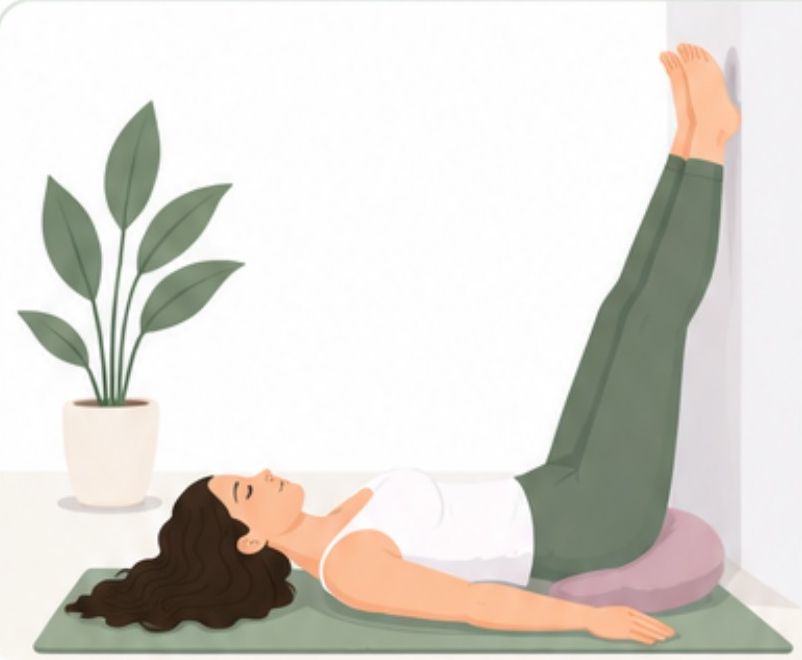
Place your legs up against the wall. You can use a pillow underneath your pelvis for additional support if that feels comfortable.
This position may help:
- Reduce pelvic pressure
- Support circulation and blood flow
- Encourage relaxation and help calm your nervous system
Supine Butterfly Stretch
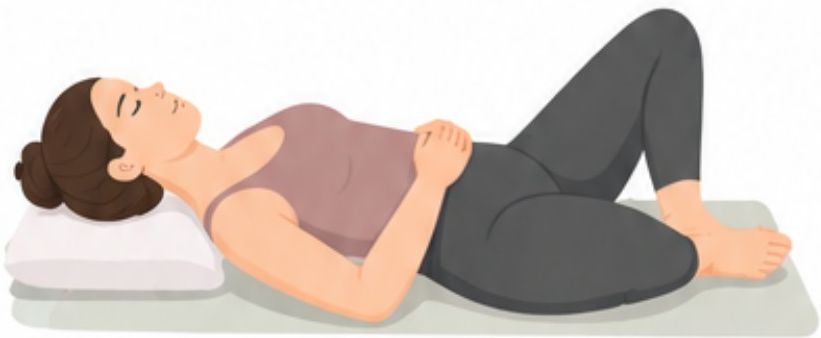
Lie on your back, either on your bed or on the floor. Bring the soles of your feet together and allow your knees to gently relax toward the floor. Move only as far as is comfortable, until you feel a gentle stretch through your inner thighs, hips, and pelvic floor. Hold the stretch for approximately one minute while focusing on slow, deep breathing.
This position may help:
- Reduce pelvic floor muscle tension
- Gently stretch the inner thighs and hips
- Encourage relaxation and deep breathing
Walking

Walking is a simple form of movement that can support circulation, reduce muscle tension, and improve overall well-being. Regular walking may also help with pain, fatigue, and mood. Walking may be especially helpful for managing discomfort associated with menstrual cramping. It can promote circulation to the pelvic area and help reduce muscle tension. Start slowly by walking for just a few minutes at a comfortable pace. As your body becomes more accustomed to the activity, gradually increase the amount of time you walk.
This movement may help:
- Support circulation throughout the body
- Reduce muscle tension
- Improve mood, energy, and overall well-being
Remember
Movement should feel supportive, not overwhelming. Listen to your body and adjust the activity as needed. A pelvic floor physical therapist can help you determine which exercises and movements are most appropriate for your individual needs.
Need support?
If you are navigating endometriosis symptoms and looking for help finding care, preparing for appointments, or understanding your options, our peer mentors are here for you.
Schedule a Mentorship Session Today
Please note: This content is for educational purposes only and is not intended as medical advice, diagnosis, or treatment. Always consult with your healthcare provider or pelvic floor physical therapist regarding your specific situation.