

Jackie Lenz, Strategic Advisor, Policy & Fundraising
Jackie Lenz, Strategic Advisor, Policy & Fundraising
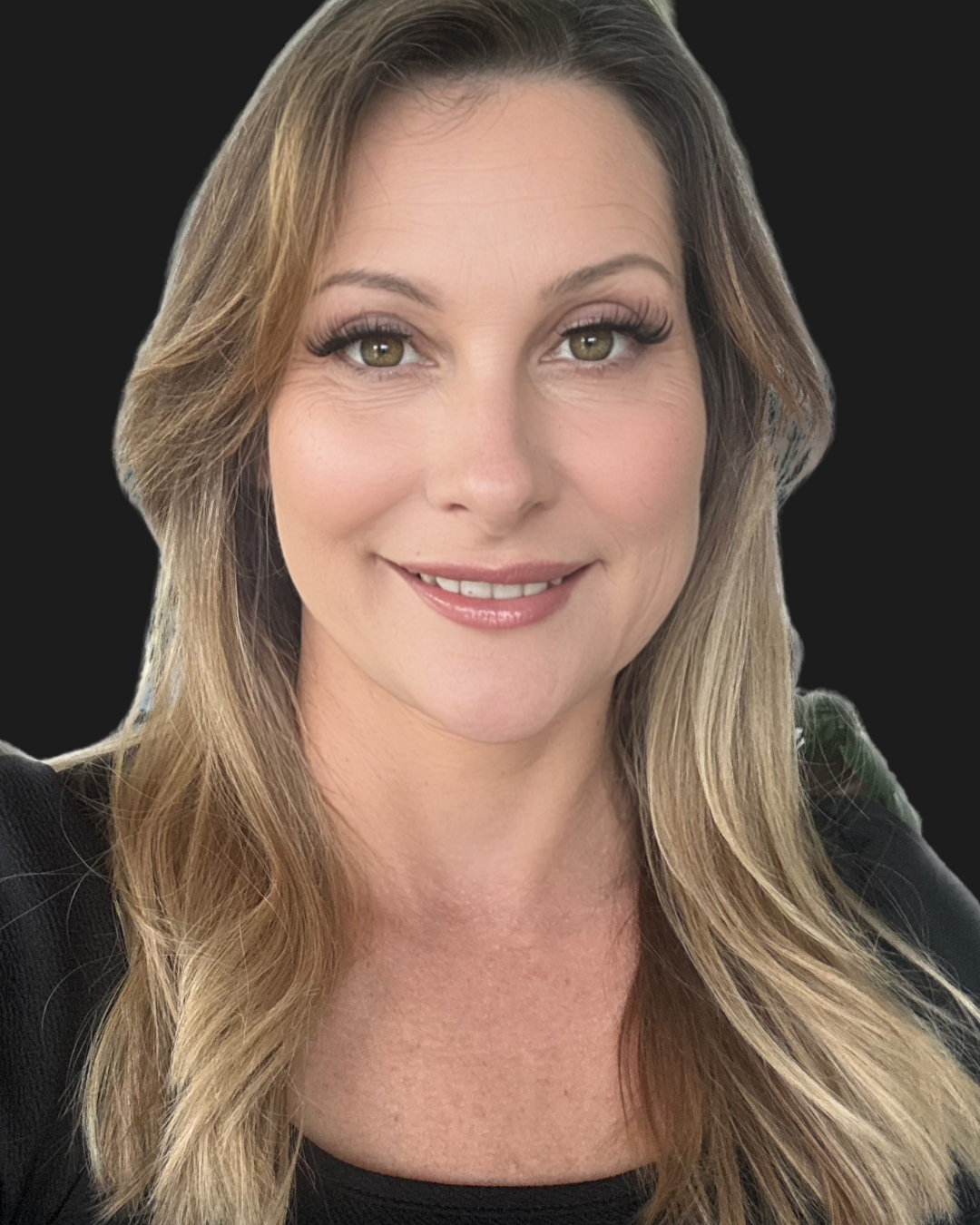
“I was diagnosed with endometriosis at age 24 following a medical emergency involving multiple ovarian cyst ruptures and internal bleeding. I had no prior symptoms. In the 1990s, I was told the diagnosis simply meant painful periods. I received no counseling, no treatment plan, and no education about disease progression. When I later scheduled a follow-up appointment to discuss options, I was asked why I had even made the appointment. I already had the diagnosis.
Over the decades that followed, I endured progressive pain, chronic inflammation, and the development of multiple correlated illnesses and comorbidities. I experienced repeated medical bias, gaslighting, and insurance disruptions that limited access to appropriate care. Excision surgery could have slowed or prevented disease progression, yet every surgery I received was performed by non-dedicated surgeons who were unprepared for the extent of endometriosis and adenomyosis discovered.
I underwent multiple abdominal surgeries, including a hysterectomy at age 42. Following my hysterectomy, I suffered an intestinal twist related to endometriosis and adhesions. I continue to battle recurring internal bleeding, cyst formation, extensive adhesions, and scar tissue throughout my abdomen. Based on ongoing symptoms, endometriosis is also suspected in other areas of my body.
Despite the severity and persistence of my disease, my care diminished as I aged. Once fertility was no longer part of the conversation, the medical system largely disengaged. Symptoms were minimized, inflammation was fragmented into unrelated diagnoses, and endometriosis was no longer treated as clinically relevant. This reflects a broader failure to recognize endometriosis as a lifelong, whole-body inflammatory condition.
My experience underscores the urgent need for continued care beyond reproductive years, proper medical training, and accountability. Endometriosis does not end with hysterectomy, menopause, or age. Patients do not disappear, and care should not either.
As an advisory board member of Endometriosis Excision for All, I am focused on advancing evidence-based excision care, improving diagnostics and medical education, and fighting for research, accountability, and recognition of endometriosis as a lifelong disease requiring informed, continuous care.”
-Jackie Lenz
Professionally, Jackie Lenz is a strategic communication professional, entrepreneur, and patient advocate with decades of experience across nonprofit leadership, fundraising, business strategy, and advocacy. She is completing a Master of Arts in Strategic Communication, anticipated 2026, and holds a Bachelor of Liberal Studies in Organizational Studies with a minor in Entrepreneurial Management. She will begin doctoral studies in fall 2026, with a capstone focus on women’s health research and medical school–level curriculum reform.
Jackie is the founder and owner of JL Lenz & Co. Real Estate, bringing extensive experience in operations, stakeholder communication, and organizational leadership. Her nonprofit work spans decades and includes fundraising, benefit committees, and mission-driven initiatives. Through long-standing relationships in production, business, and philanthropy, particularly across the Bay Area and Southern California, she has helped connect entertainment, corporate leadership, and community-based causes in support of meaningful impact. She currently serves on the Blossom Ball Benefit Committee for the Endometriosis Foundation, supporting fundraising and awareness initiatives in 2025.
She is also a member of Women’s Health Advocates, where she is an active lobbying participant and serves on the Endometriosis and Adenomyosis Coalition, advancing policy, research, and accountability in women’s healthcare.
In addition, Jackie has worked in field production for the Super Bowl for over a decade in a short-term, annual role, contributing to large-scale event operations and national production environments.
Her work centers on building bridges between sectors, aligning resources with patient-centered missions, and translating visibility into real-world outcomes through education, advocacy, and funding.