

Help Ashley Access Excision Surgery
Help Ashley Access Excision Surgery
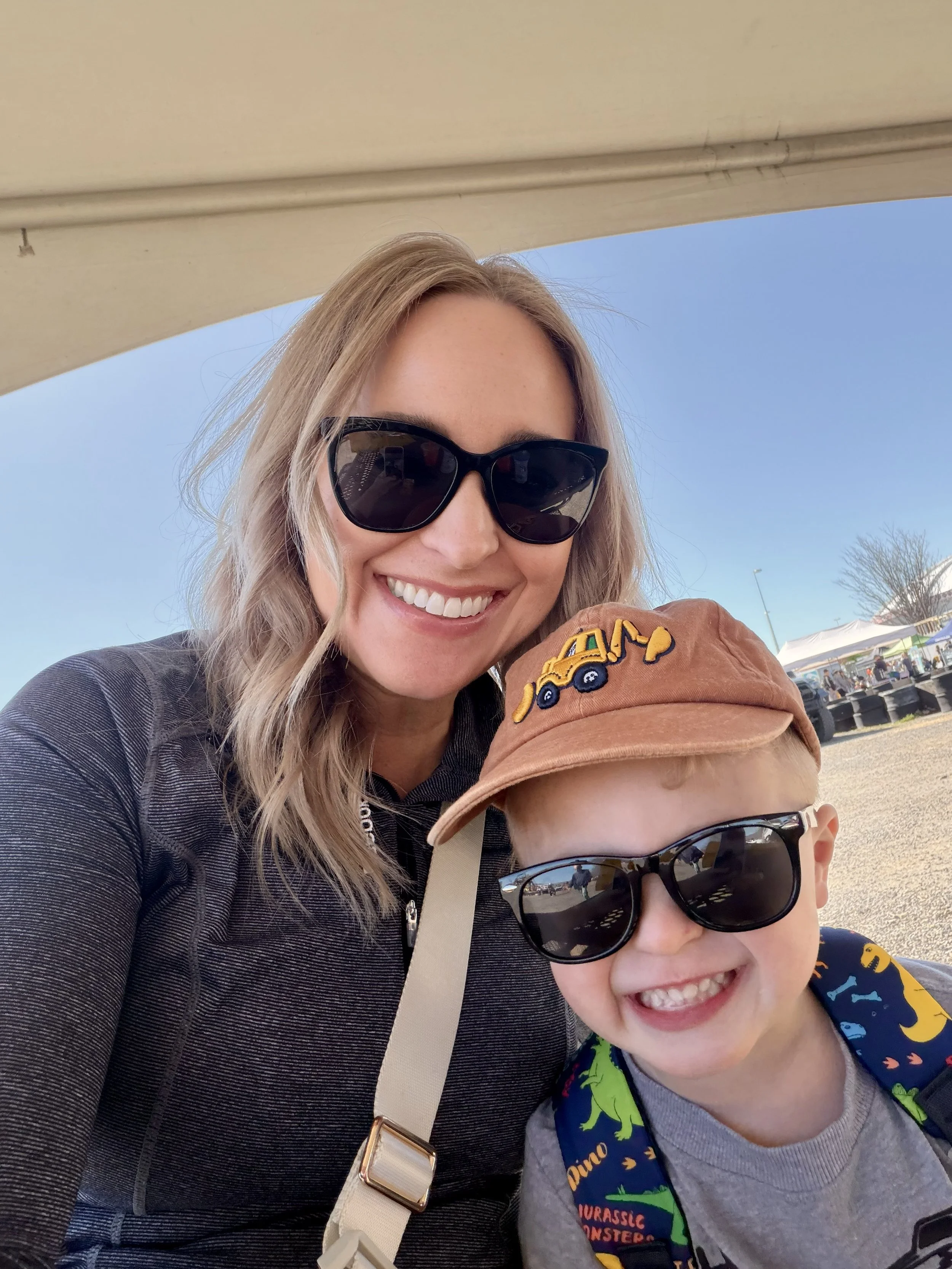
“It is incredibly difficult to be fully present as a mother when your body is constantly in pain. I want nothing more than the ability to care for my young son without fear that I will be sidelined by pain”
My name is Ashley Johnson. I am 39 years old, and I have been living with endometriosis since I was approximately 14 years old, meaning this disease has impacted my life for over 25 years. Endometriosis has shaped nearly every aspect of my physical health, emotional well-being, relationships, and ability to function day-to-day. It is not a temporary condition or occasional inconvenience; it is a chronic, progressive disease that has followed me from adolescence into adulthood, motherhood, and now my late thirties.
As a teenager, I experienced severe, debilitating pelvic pain and menstrual symptoms that were not considered normal, yet were repeatedly dismissed or minimized. I was prescribed oral birth control at a young age in an attempt to manage my symptoms, without a full understanding of the underlying cause. Around the age of 15, I was also prescribed Celexa for depression, which I took for several years—a reflection of the emotional toll of living with unrelenting pain and feeling unheard. At the time, I had no language to describe how deeply my physical suffering was affecting my mental health, only that I felt exhausted, overwhelmed, and isolated.
Through my teens and twenties, endometriosis continued to progress. I lived with chronic pelvic pain, painful periods, gastrointestinal distress, fatigue, and hormonal instability. These symptoms affected my education, career path, and ability to participate in life fully. I learned to push through pain because I had no other choice, even when everyday tasks felt overwhelming. The unpredictability of flare-ups meant I could never fully trust my body, and the lack of definitive treatment left me managing symptoms instead of addressing the disease itself.
As I grew older, the consequences of untreated endometriosis became more severe. I struggled with fertility and eventually underwent IVF, including egg retrieval in February 2022. That process was physically and emotionally taxing, and I later experienced a medical emergency involving ovarian puncture and hemoperitoneum, requiring emergency surgery. These events were frightening and traumatic, and they reinforced how vulnerable my body had become after years of unmanaged disease.
After having my son three years ago, my symptoms worsened rather than improved. The hormonal changes of pregnancy and postpartum did not resolve my endometriosis; instead, my pain intensified. I now live with constant pelvic pain, significant gastrointestinal symptoms consistent with IBSC, bladder discomfort, and musculoskeletal pain that affects my jaw and pelvic floor. I rely on medications just to manage day-to-day functioning, yet even with treatment, pain remains a daily presence.
Endometriosis has taken an enormous emotional and psychological toll. Chronic pain has eroded my quality of life, disrupted my sleep, and severely impacted my mental health. It is incredibly difficult to be fully present as a mother when your body is constantly in pain. I want nothing more than the ability to care for my young son without fear that I will be sidelined by pain, exhaustion, or another emergency room visit. My greatest motivation is to be healthy enough to show up for him as the mother he deserves.
Despite working full-time as a Philanthropy Database and Finance Coordinator, a role that requires focus, precision, and consistency, I still struggle to keep up with the mounting medical expenses associated with this disease. I have exhausted both my HSA and my husband’s HSA while pursuing answers, specialty care, imaging, emergency treatment, physical therapy, medications, and consultations with experts. Even with insurance, the financial burden has been overwhelming, and the cost of definitive excision surgery is beyond what we can reasonably absorb.
Endometriosis is not an elective condition for me, and surgery is not optional. It is medically necessary. Without proper excision by a highly trained specialist, my disease will continue to progress, placing me at risk for worsening pain, organ involvement, and further loss of function. I am not seeking relief from short-term discomfort; I am seeking the chance to reclaim my life after decades of suffering.
I have lived with this disease for the majority of my life. I have done everything asked of me: medications, hormonal suppression, antidepressants, emergency care, fertility treatments, physical therapy, lifestyle changes, and relentless self-advocacy. I am exhausted, but I am still fighting, because I want a future where pain does not dictate every decision I make.
Receiving support for my endometriosis excision surgery would mean more than medical care; it would mean hope for a life with less pain, greater stability, and the ability to be the healthiest version of myself—for my child, my family, and myself.
-Ashley