

Help Emily Access Excision Surgery
Help Emily Access Excision Surgery
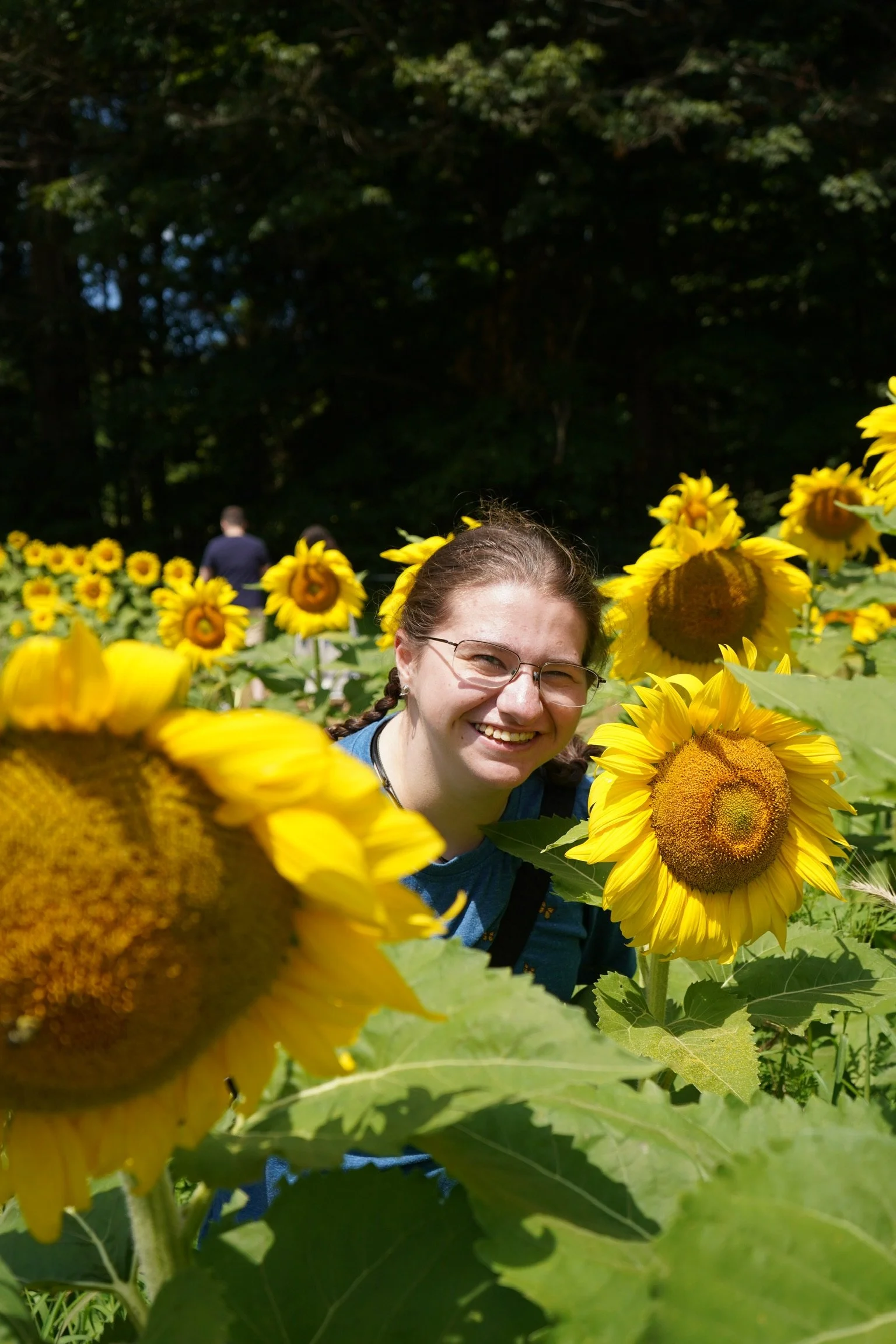
“I’m sharing my story because no one should have to wait years for a diagnosis or be told that their pain is normal. I’m sharing because invisible battles shouldn’t be invisible — and they shouldn’t be dismissed as overdramatic. ”
I was 13 years old when I got my first period — and it hurt more than anything I had ever experienced in my life.
“Period pain is normal.”
“It’s just part of being a woman.”
“You’re being overdramatic.”
These are things I heard from doctors and from people I loved. I never thought it would get so much worse.
Every period was extremely heavy and extremely painful. I was bleeding through every pad and every tampon within two hours. I bled onto my sheets. It was horrible. And I thought all of it was normal — just part of being a woman.
What people didn’t see was that I was still expected to show up at school. I was made fun of for bleeding and for needing to use the bathroom constantly. I started to believe that I was overdramatic — that I was crazy.
This went on for years. Sometimes I would bleed for only a few days. Other times it lasted for weeks — once for as long as six weeks. Most of the time it was heavy. I felt lightheaded, exhausted, and awful. But I still believed this was normal.
It would be years before someone close to me finally said something and helped me begin looking for answers.
Because I had been told for so long that I was overdramatic or faking, I stopped talking about the pain. I managed it alone. I took Advil like it was candy.
In December of 2024, I was visiting my sister and was on my period. I couldn’t get off the couch for a long time. She looked at me and said, “This isn’t normal. You need help.” She offered to go with me to my first gynecology appointment, and I said yes. I’m so glad I did.
At that visit, my doctor mentioned pelvic floor dysfunction — something I had never heard of. She mentioned vulvodynia — something I had never heard of. She also mentioned endometriosis. Around that same time, I had come across an Instagram account run by a woman living with endometriosis, and suddenly things started to click.
I tried birth control to stop my periods. It helped for about a month, and then it didn’t. I switched to a gynecologist I trusted, and she increased the dose — and again, endometriosis came up.
Through that Instagram account and my own research, I learned that I needed an endometriosis excision specialist, not just a general gynecologist. I found a surgeon trained by one of the best on the East Coast. At my consult, he agreed that my symptoms fit endometriosis and gave me the option to try symptom management or have excision surgery.
I chose surgery. It was scheduled for December 2025.
A decade after my pain began, my suspicions — and my suffering — were finally confirmed with a diagnosis of endometriosis.
Today, I’m still healing. I still have vulvar pain. I still have some of the same pelvic pain, though it’s a little better after surgery. I’m still learning how to pace myself and manage my energy. Healing is hard. It’s both relieving and painful to know that I finally have a diagnosis — and that it isn’t something that can be cured.
I hope the pain continues to change in a positive direction. I hope I get relief.
I’m sharing my story because no one should have to wait years for a diagnosis or be told that their pain is normal. I’m sharing because invisible battles shouldn’t be invisible — and they shouldn’t be dismissed as overdramatic.
Endometriosis affects everything: pain, friendships, plans, daily activities like showering and cooking, mental health, and finances — because of missed work, surgeries, and recovery.
I hope that by sharing this, it reaches someone who needs to hear this:
You are not alone.
You are not overdramatic.
Your pain is real.
-Emily